Ubisoft pivots to "selective model" to reduce reliance on individual game launches
Ubisoft is shifting its business strategy toward a "more selective model" in an effort to decrease its dependence on the commercial performance of individual game launches. As…
How this story was made: AI-assisted research and drafting; reviewed and published by Jakkin. Editorial standards
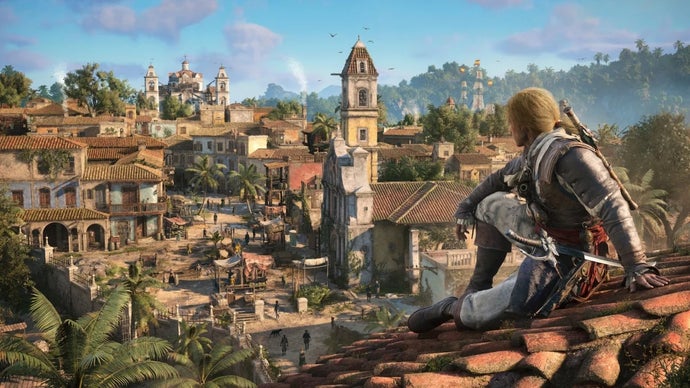
Ubisoft is shifting its business strategy toward a "more selective model" in an effort to decrease its dependence on the commercial performance of individual game launches. As reported by GamesIndustry.biz, this pivot is detailed in the publisher's 2025/26 annual report, representing a transition toward prioritizing revenue generated from its back-catalog and active live service titles.
The change in direction comes amid an ongoing restructuring process that began in early 2026. By focusing on a more selective pipeline, Ubisoft aims to build a more predictable revenue stream that relies less on the volatile reception of major new releases.
Mitigating Launch and Pricing Risks
In its annual report, Ubisoft identified several risk factors that can limit the commercial impact of its new releases. The publisher noted that launching titles prematurely, placing them in highly competitive release windows, or scheduling them alongside major updates for other games can severely hamper a new game's success.
To address these market pressures, the company has also adjusted its perspective on game pricing. Ubisoft updated its internal risk language regarding pricing strategies, moving away from a focus on "overpricing" to managing "a pricing strategy that may or may not devalue the content." Under the new selective model, leveraging the existing catalog of games and maintaining established live services is seen as a more stable avenue for sustained financial health.
Restructuring and Talent Retention Concerns
This strategic pivot is accompanied by significant internal changes and cost-cutting measures. Ubisoft CEO Yves Guillemot characterized the 2025/26 fiscal year as one of "decisive action," with the company aiming to complete its ongoing cost-reduction program by March 2028.
However, these cost-cutting measures present their own operational risks. Ubisoft acknowledged that restructuring efforts, including studio closures and layoffs, could threaten long-term game development and the overall stability of its development teams. These challenges have already begun to impact staff; for example, Ubisoft Barcelona recently laid off 51 employees shortly after the launch of Assassin's Creed: Black Flag Resynced.
Furthermore, the company remains concerned about its dependence on key personnel. Ubisoft noted that losing core team members could harm its editorial policy and damage ongoing development processes, highlighting a vulnerability to losing rare, specialized talent within a highly competitive industry.
Related
More From Industry News
How Evil Trout aims to turn a cult free game into a Steam hit - again
Indie studio Evil Trout Inc. has released its second game, The Incident at Galley House, continuing a distinct business model of turning free, cult-hit Itch.io games into polished,…
Games Done Quick apologizes for partnering with Saudi-owned studio SNK
Games Done Quick (GDQ) cancelled a sponsored stream featuring game studio SNK over the weekend of July 11–12, 2026, following concerns raised by community members. The speedrunning…

Former Xbox Studio Compulsion Games Says It's Open to Collaborations
Montreal-based developer Compulsion Games has announced that it is actively seeking collaborations with other studios and publishers after negotiating its independence from Xbox…