Why new EU deepfake legislation means games need to be careful when featuring real-world people and locations
New EU AI Act rules require video game studios to label realistic AI-generated people, places, and marketing assets distributed in Europe.
- Author
- IRLMSQ Editorial Desk
- Published
- Jul 30, 2026
- Read time
- 2 min
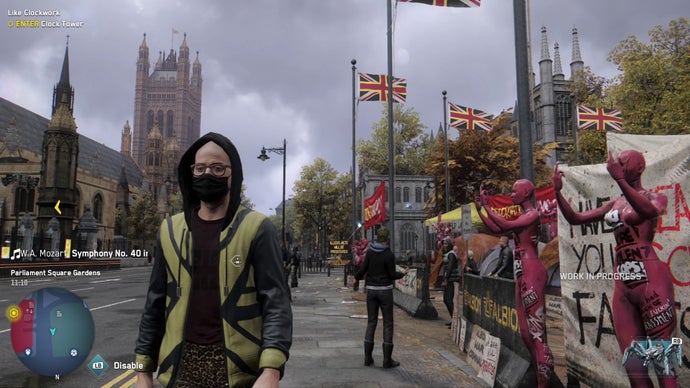
The European Union’s AI Act has introduced new transparency obligations surrounding artificial intelligence and "deepfakes," creating new compliance requirements for game developers and publishers targeting European audiences as of August 2, 2026. While early industry concerns suggested the law might ban AI-generated game assets entirely, European Commission guidance clarifies that standard game development uses are largely permitted, provided studios comply with transparency and disclosure rules when depicting content that appears real.
Under the legislation, a deepfake is defined broadly as AI-generated or AI-manipulated audio, visual, or video content that depicts or resembles existing people, places, objects, or events in a way that could falsely appear authentic or truthful to a reasonable observer. Notably, the test also covers synthetic media resembling elements that could plausibly exist in reality, extending well beyond high-profile impersonations of public figures.
Broad Scope Across Games and Marketing
These regulatory requirements apply universally to developers regardless of where their studios are located, so long as the final product or its promotional media is distributed within the EU. The rules apply not just to the game software itself, but across all associated marketing materials.
"Your legal obligation extends beyond the game itself," said Antonia Gold of legal firm Sheridans. "Trailers, billboards, advertisements, influencer campaigns and other social media content are all subject to it."
Gold noted that the law's reach goes significantly further than conventional definitions of synthetic media. "The EU AI Act's deepfake transparency rules present an interesting challenge for game studios," she explained to GamesIndustry.biz. "The obligation is broader than the popular understanding of a deepfake, extending beyond fake videos of politicians, to a wide range of AI-generated and AI-manipulated content."
According to Gold, the core metric for studios evaluating their content comes down to realism: "The key question is whether the AI content could lead people to believe they are seeing or hearing something real."
A Two-Tier Approach to Labelling
To manage compliance, the European Commission established a two-tier framework for mandatory disclosures based on context:
- Creative and Fictional Works: Deepfakes produced as part of an broad artistic, creative, or fictional work require disclosure that does not disrupt the viewer's enjoyment or display of the media. Gaming assets fall under this flexible category.
- Non-Creative Content: Media outside creative framing must display clear, prominent labelling at or before the user's first exposure.
"The European Commission's guidelines expressly recognise that gaming imagery can fall within the first more flexible tier for creative/ fictional work," Gold said.
Practical Impact on Game Content
In practice, pure fantasy elements—such as AI-generated voice lines for alien characters or entirely fictional landscapes—are unlikely to trigger deepfake disclosure duties because they carry little risk of deceiving audiences about real-world facts.
However, potential grey areas remain in realistic settings. AI recreations of real-world athletes, real drivers in promotional videos, or documentary-style game trailers depicting real political events could meet the threshold for deepfake labelling. As a result, legal advisors recommend studios implement internal AI content policies to audit realistic assets prior to distribution in European markets.
Editorial note: Generated with AI from the cited sources and published through IRLMSQ's automated news workflow. This article was not reviewed by a human before publication. Editorial standards
Comments
Sign in to join the discussion.
No comments yet. Be the first to join the discussion.
Related
Related Articles
There's only one Jedi Operator in Star Wars Zero Company, and reckless players may end up with none at all: 'Be careful that nothing unfortunate happens to her!'
Star Wars Zero Company
Why it matters: Tel-Rea is the sole Jedi Padawan class Operator in Star Wars Zero Company, meaning a single misstep under default permadeath rules could wipe out Jedi representation for your entire run.

The Grade A Refurb Nintendo Switch 2 Mario Kart World Console Bundle Just Dropped to $419 at Woot
Why it matters: Woot has lowered the price of its Grade A refurbished Nintendo Switch 2 Mario Kart World bundle to $419, featuring full diagnostic testing, a 90-day warranty, and a valid game code.

Miyamoto: Games based on developers’ personal interests resonate around the world, not those aiming for global appeal
Why it matters: Shigeru Miyamoto argues that designing games specifically for global appeal produces generic titles, preferring concepts driven by developers' personal passions.